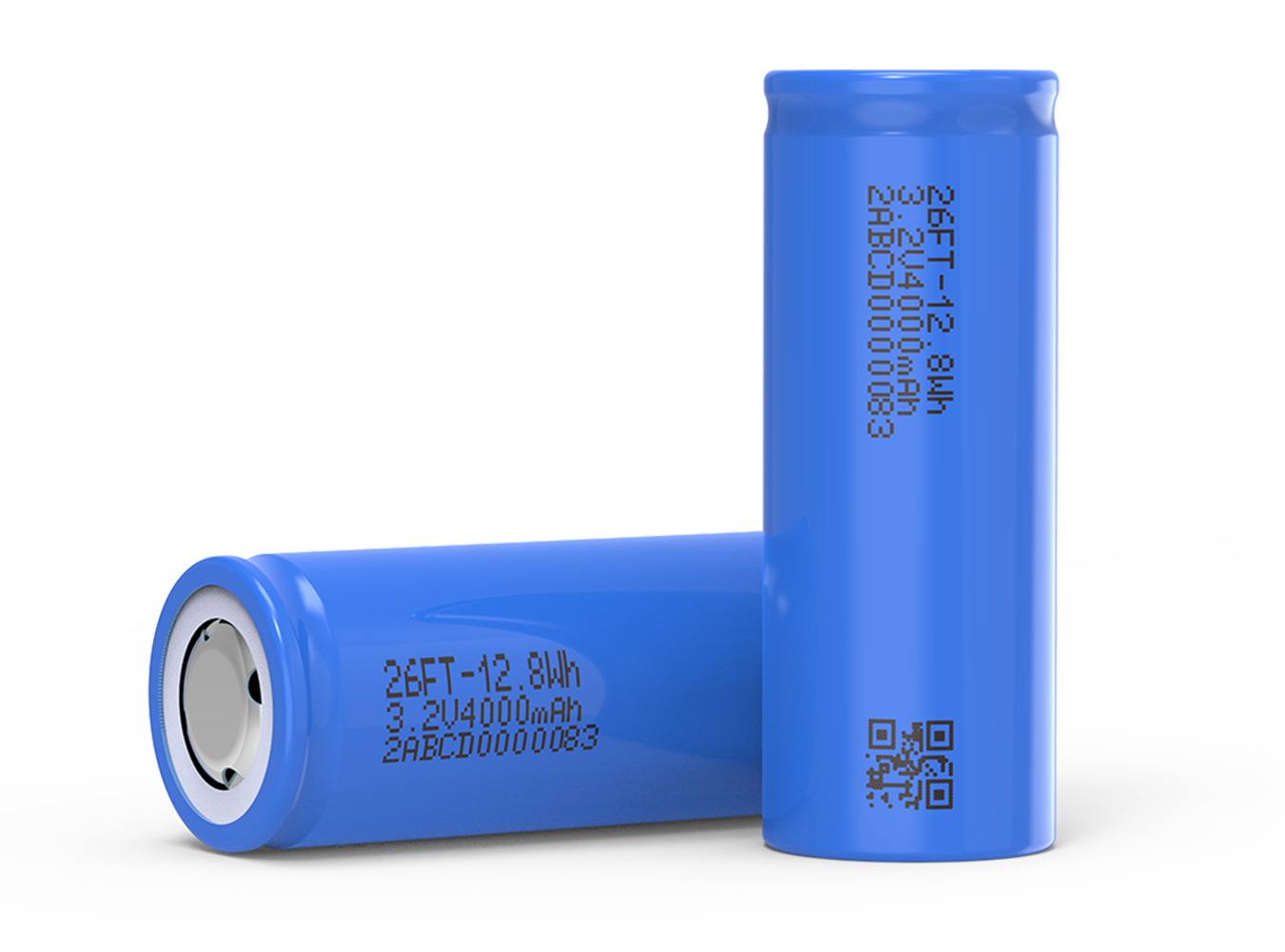
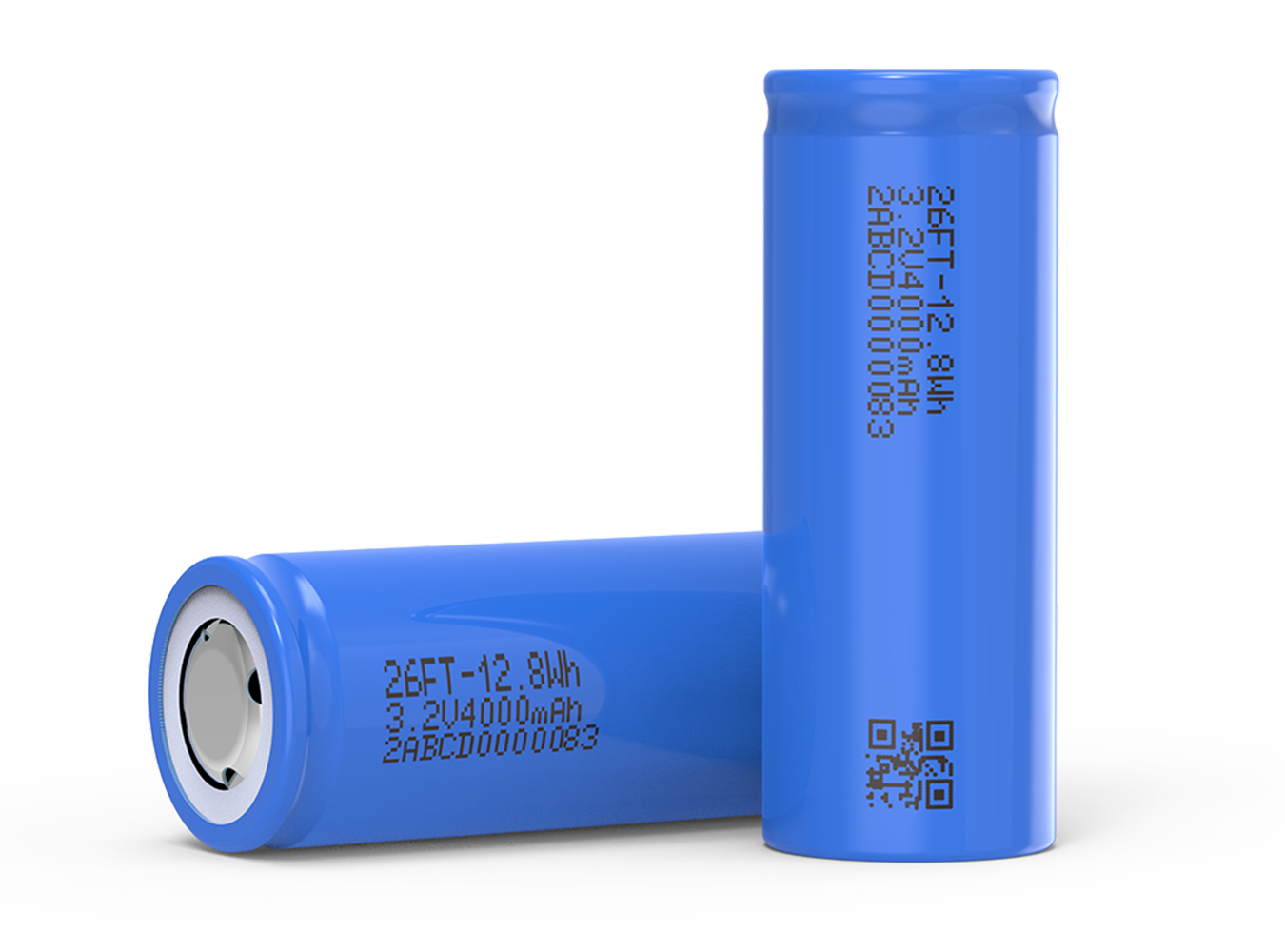
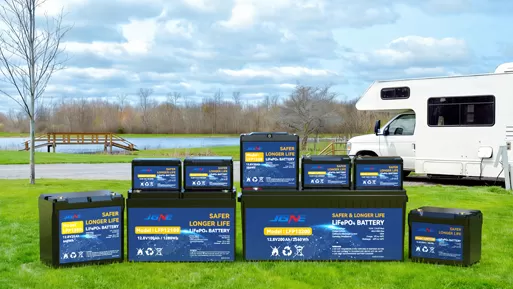
When comparing LiFePO4 cells, terms such as 0.5C, 1C, 3C, 10C or 30C appear frequently in datasheets. These values describe how quickly a battery can be charged or discharged relative to its rated capacity, but the C-rate alone does not tell you the actual current in amps.For battery pack designers and OEM buyers, understanding this distinction is important. A 3000mAh cell rated at 10C and a 1100mAh cell rated at 30C have very different capacities, yet their calculated maximum discharge currents can be surprisingly close.
Quick answer: C-rate is a multiplier of battery capacity. To convert a C-rate into amps, multiply the cell capacity in amp-hours by the C-rate.
What Is C-Rate in a LiFePO4 Battery?
C-rate expresses charge or discharge current relative to a battery's rated capacity. At 1C, the current in amps is numerically equal to the battery capacity in amp-hours. At 0.5C, the current is half of that value. At 10C, it is ten times the Ah rating.
C-RATE TO CURRENT FORMULA
Current (A) = Battery Capacity (Ah) × C-Rate
What Do 0.5C, 1C, 3C, 10C and 30C Mean?
The table below uses a hypothetical 3000mAh, or 3Ah, cell to show how different C-rates translate into current.
| C-Rate | Current for a 3Ah Cell | Idealized Discharge Time* | Typical Interpretation |
|---|
| 0.5C | 1.5A | About 2 hours | Relatively low current |
| 1C | 3A | About 1 hour | Current equals Ah rating |
| 2C | 6A | About 30 minutes | Higher load |
| 3C | 9A | About 20 minutes | Moderate high-rate load |
| 5C | 15A | About 12 minutes | High-power discharge |
| 10C | 30A | About 6 minutes | Very high discharge rate |
| 30C | 90A | About 2 minutes | Specialized power-cell territory |
*These times are mathematical reference values, not guaranteed operating times. Higher current can increase internal losses, voltage drop and heating, while the actual cutoff conditions of the battery system also affect usable runtime.
Why a Higher C-Rate Does Not Always Mean Much Higher Current
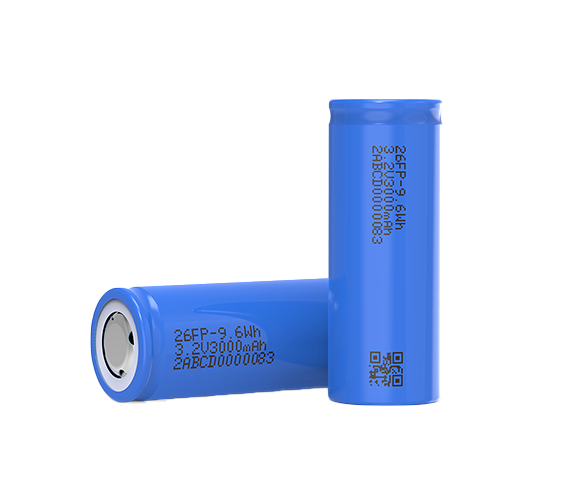
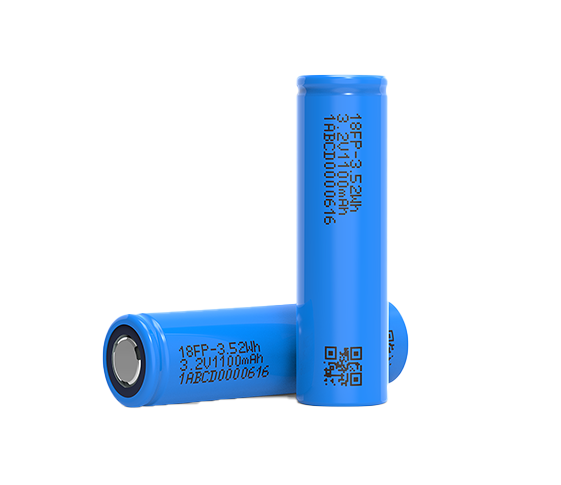
One of the most common mistakes in battery selection is comparing the C-rate without considering cell capacity. JGNE's high-rate LFP18650 and LFP26650 cells provide a useful real-world example.
JGNE High-Rate LFP26650
3000mAh nominal capacity
Maximum cell discharge: 10C
Calculated 10C current: 3Ah × 10 = 30A
Pulse specification: 45A / 5s
JGNE High-Rate LFP18650
1100mAh nominal capacity
Maximum cell discharge: 30C
Calculated 30C current: 1.1Ah × 30 = 33A
Pulse specification: 40A / 10s
10C vs 30C: the important lesson
The 18650 cell has a C-rate three times higher than the 26650 cell, but because the 26650 has much greater capacity, the calculated maximum currents are approximately 33A and 30A respectively. C-rate and absolute current must therefore be evaluated together.
10C and 30C in Real JGNE High-Rate Cells
| Parameter | LFP26650 High-Rate | LFP18650 High-Rate |
|---|
| Nominal Capacity | 3000mAh / 3Ah | 1100mAh / 1.1Ah |
| Standard Discharge | 2C ≈ 6A | 5C ≈ 5.5A |
| Fast Discharge | 5C ≈ 15A | 10C ≈ 11A |
| Maximum Cell Discharge | 10C ≈ 30A | 30C ≈ 33A |
| Specified Pulse Current | 45A / 5 seconds | 40A / 10 seconds |
| Internal Resistance | ≤15mΩ | ≤18mΩ |
Note: Currents marked with “≈” are calculated mathematically from nominal Ah × C-rate. Pulse values are separate manufacturer specifications and should not be interpreted as continuous current ratings.
Continuous, Fast, Maximum and Pulse Current Are Not the Same
A datasheet may contain several current values. Treating them as interchangeable can lead to undersized packs, excessive voltage drop or unnecessary thermal stress.
Standard Discharge
A reference operating current used in the cell specification for normal discharge conditions.
Fast Discharge
A higher current level used where greater power delivery is required.
Maximum Cell Discharge
The highest listed discharge-rate level for the cell under the manufacturer's specified conditions.
Pulse Current
A short-duration peak current specification. A value such as 45A / 5s does not mean the cell can continuously supply 45A.
Charge C-Rate and Discharge C-Rate Are Separate Limits
A cell that supports a high discharge rate does not automatically support the same charge rate. Charge current and discharge current are separate datasheet parameters and should be treated independently.
Example: LFP26650 High-Rate
Standard charge: 0.5C
Maximum charge: 3C
Standard discharge: 2C
Maximum cell discharge: 10C
Example: LFP18650 High-Rate
Standard charge: 0.5C
Maximum charge: 5C
Standard discharge: 5C
Maximum cell discharge: 30C
How to Estimate the Required C-Rate for a Battery Pack
For a battery pack, the required C-rate should be calculated from the current demanded by the load and the number of cells connected in parallel.
Current per Cell = Pack Current ÷ Number of Parallel Cells
Required C-Rate = Current per Cell ÷ Cell Capacity (Ah)
EXAMPLE LOAD
30A
Required battery pack current
PARALLEL CELLS
2P
Each parallel path carries about 15A
3Ah CELL
5C
15A ÷ 3Ah = 5C theoretical requirement
This calculation is only the starting point. Real battery pack design must also account for peak load, BMS current rating, conductor and connector resistance, cell matching, temperature, voltage drop and design margin.
When Does a High C-Rate LiFePO4 Cell Make Sense?
High-rate cells are useful when the battery must supply substantial current from a relatively compact cell configuration. Common load patterns include motor startup, actuators, robotics, industrial equipment and other systems with high continuous or short-duration current demand.
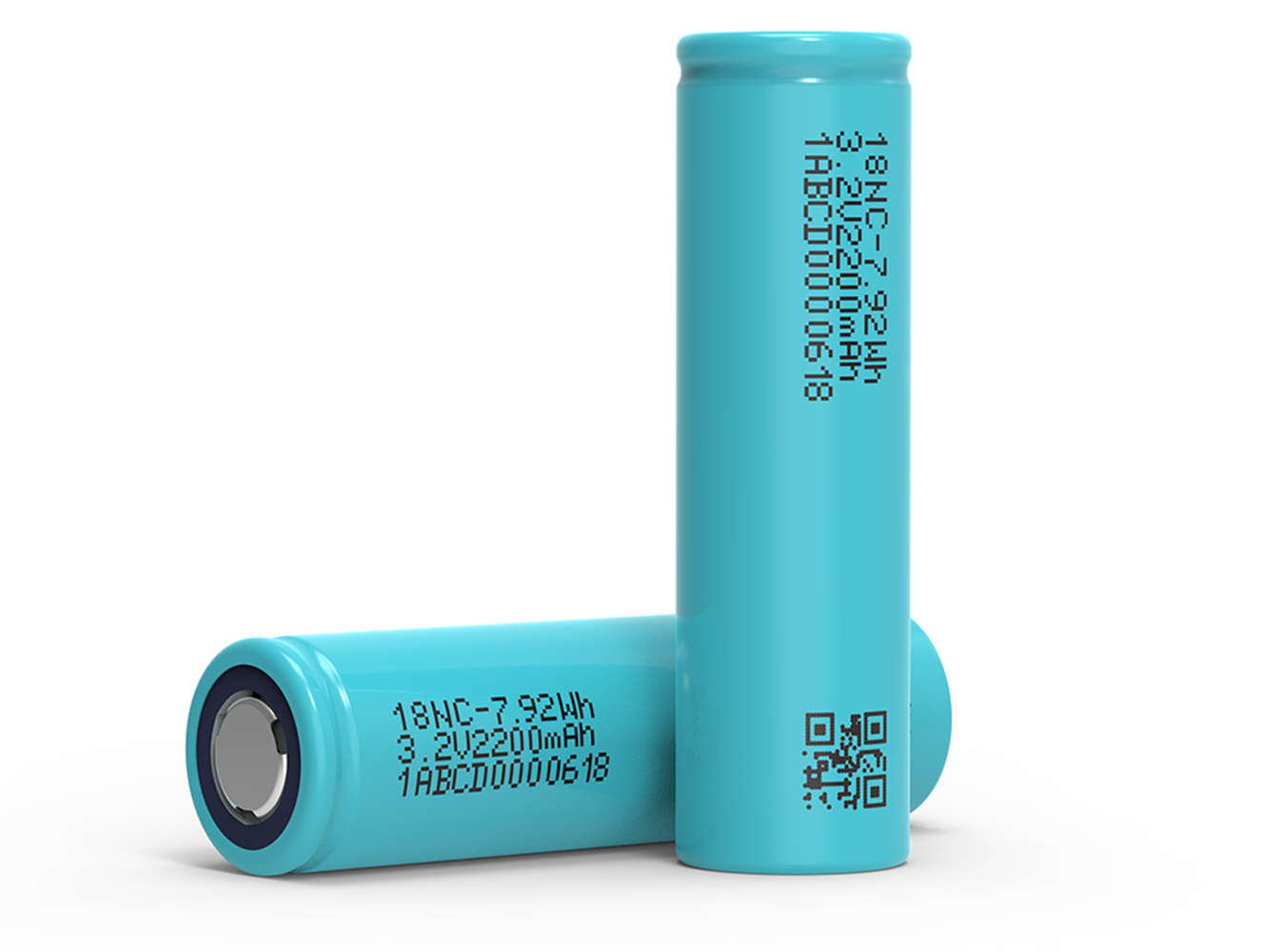
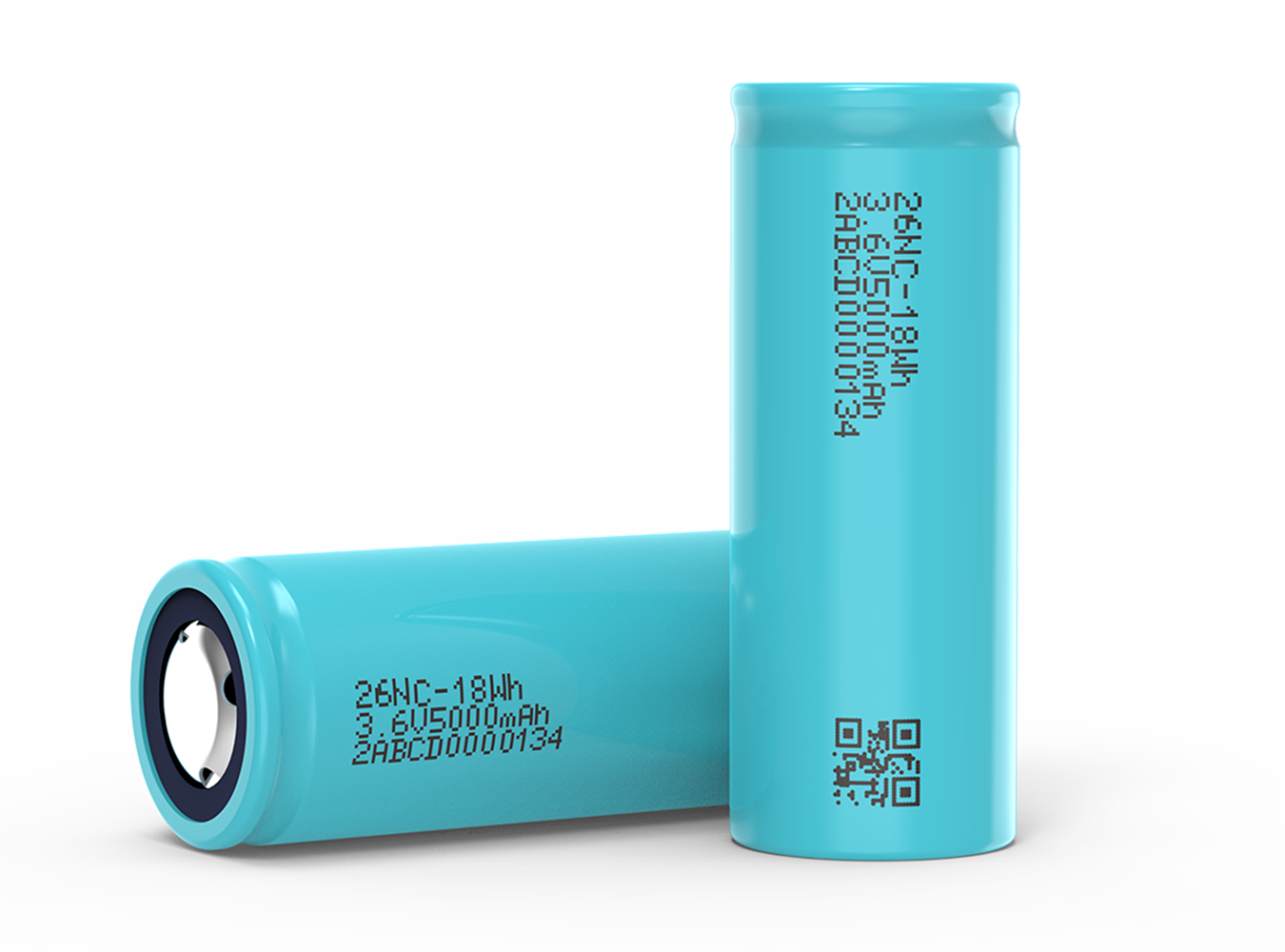
However, the highest possible C-rate is not always the best choice. A system designed mainly for long runtime at modest current may benefit more from a higher-capacity cell. This is why JGNE separates
High-Rate Type batteries from
Capacity Type batteries.
A high C-rate answers the question “How quickly can this cell deliver current?” Capacity answers a different question: “How much charge can this cell store?”
Why Real Runtime Is Not Simply “1 ÷ C-Rate”
Mathematically, 1C corresponds to one hour and 10C corresponds to about six minutes. In a real battery system, however, current-related losses, voltage drop, temperature and the system's cutoff voltage can change usable runtime.
5 Common C-Rate Mistakes in Battery Selection
1. Comparing C-rate without comparing capacity
A 30C cell does not automatically provide three times the current of a 10C cell. Ah capacity must be included in the calculation.
2. Treating pulse current as continuous current
A pulse specification such as 45A / 5s is a short-duration value and should not be used as the continuous design current.
3. Assuming charge and discharge C-rates are identical
Charge and discharge currents are specified separately and can differ substantially on the same cell.
4. Ignoring the rest of the battery pack
The cell may support a high current while the BMS, connector, fuse, wiring or busbar does not.
5. Selecting the highest C-rate even when the load does not need it
Battery selection should balance current, capacity, size, thermal conditions and runtime rather than optimizing one specification in isolation.
LiFePO4 C-Rate FAQ
What does 1C mean on a LiFePO4 battery?
At 1C, the current equals the battery's rated capacity in Ah. A 3Ah battery at 1C corresponds to 3A.
What does 10C mean on a 3000mAh battery?
3000mAh equals 3Ah. Multiplying 3Ah by 10C gives a calculated current of 30A.
What does 30C mean on a 1100mAh battery?
1100mAh equals 1.1Ah. Multiplying 1.1Ah by 30 gives a calculated current of approximately 33A.
Is a higher C-rate always better?
No. The correct C-rate depends on the actual load. Systems prioritizing runtime may benefit more from higher cell capacity than from an unnecessarily high discharge rating.
Is pulse current the same as maximum continuous current?
No. Pulse current applies only for a specified short duration. Continuous battery pack design should follow the applicable continuous or manufacturer-defined discharge limits.
How do I choose a high-rate LiFePO4 cell?
Start with continuous load current, peak current, required capacity, available pack space and operating conditions. Then confirm the cell, BMS and interconnections can support the complete electrical requirement.
Need Help Selecting a LiFePO4 Cell for a High-Current Battery Pack?
Share your required pack voltage, continuous current, peak current, runtime, available dimensions and operating conditions. JGNE can help evaluate the appropriate cell platform and battery pack configuration for your project.
Discuss Your Battery Project