Contact Us
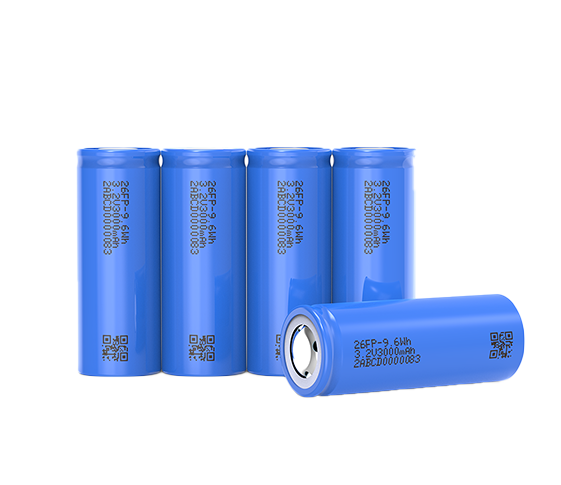
LFP26650  High-Rate Type

LFP26650 High-Rate Type

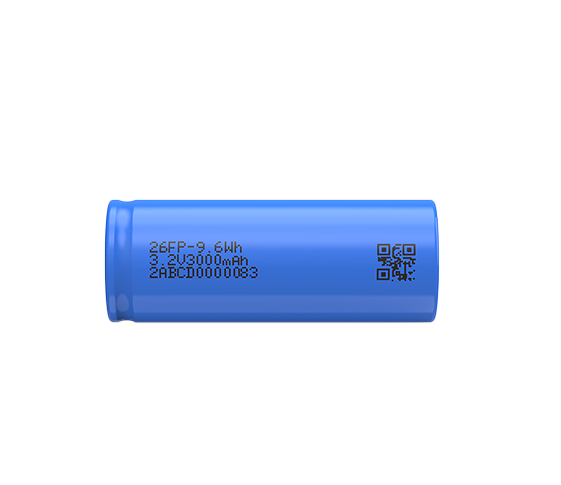
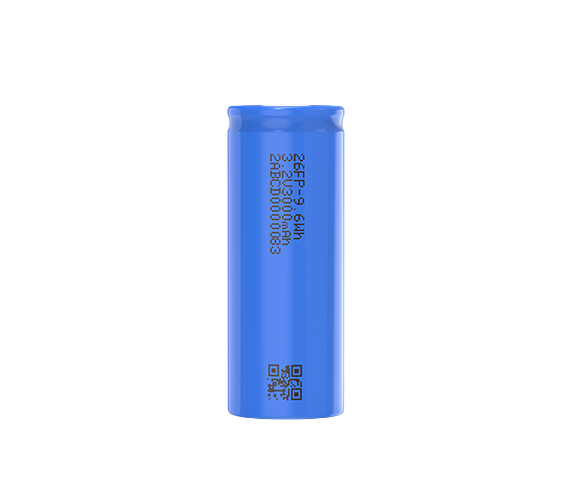
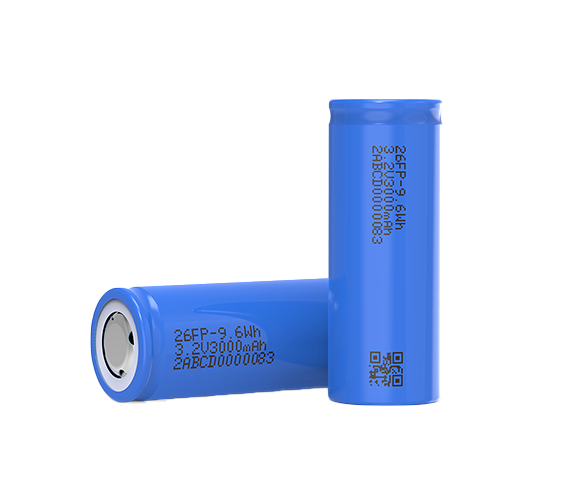
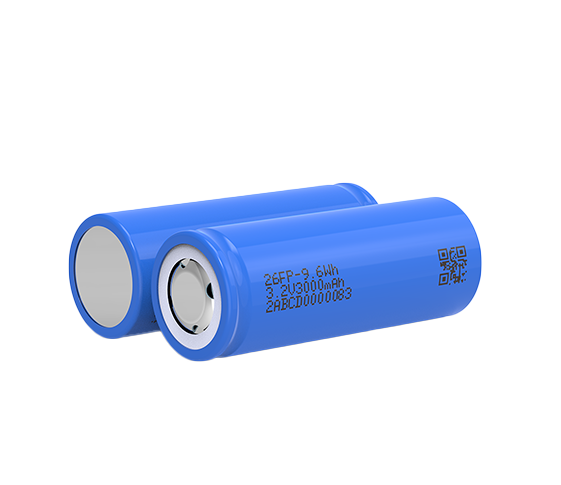
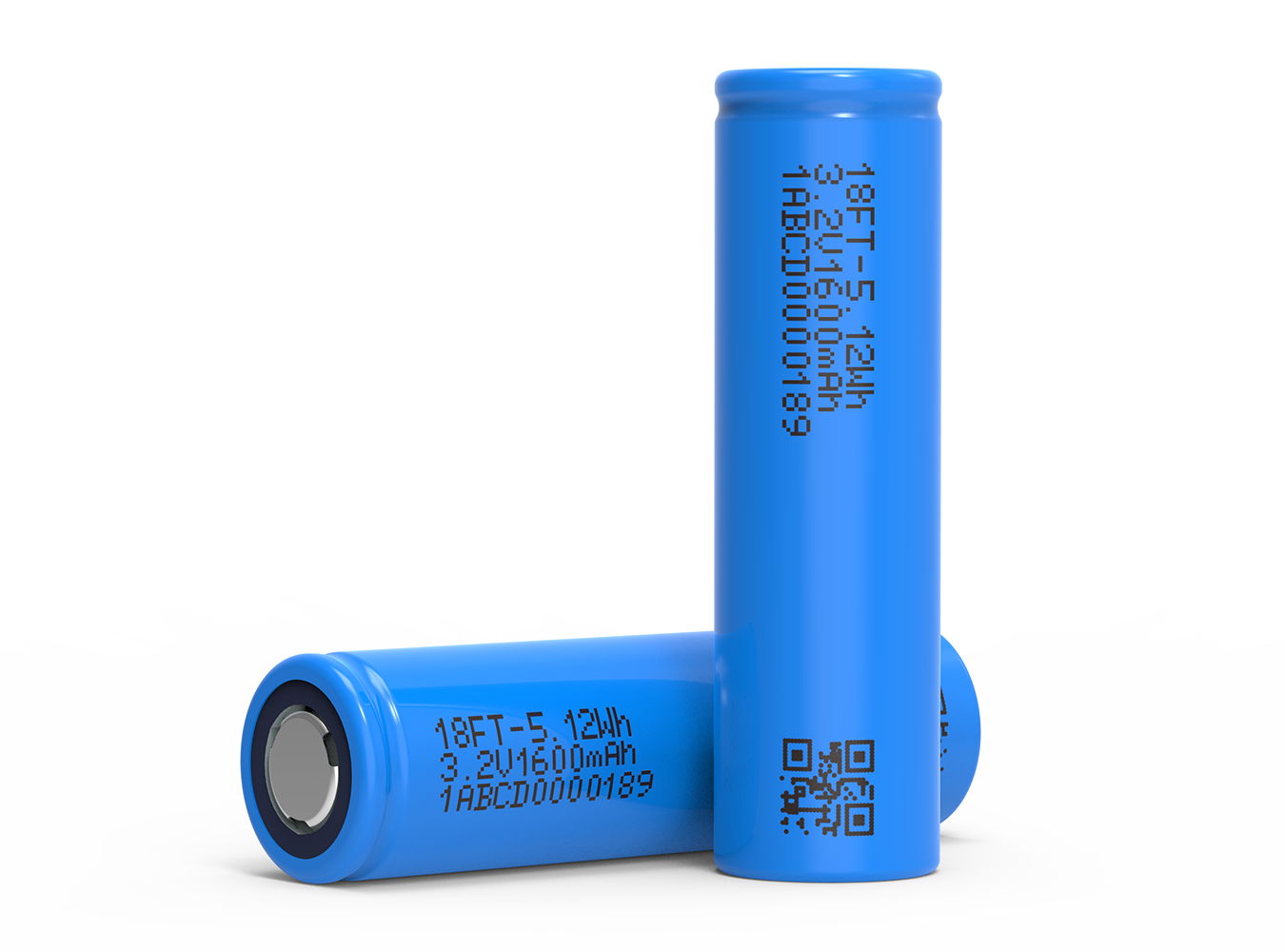
Our LiFePO₄ High-Rate Type 26650 lithium battery cells are engineered for high-power and high-reliability applications requiring stable output and long service life. Based on advanced LiFePO₄ cathode materials and optimized electrode structures, these cells deliver high discharge rates, low internal resistance, and consistent voltage performance under continuous and pulse load conditions.


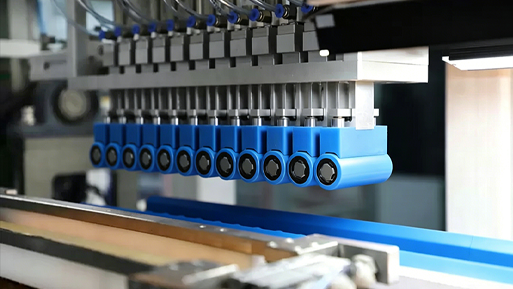
With a larger 26650 cylindrical format, optimized energy density, and robust mechanical structure, the cells support higher current output and enhanced thermal stability. Excellent heat dissipation capability and controlled electrochemical behavior ensure high-efficiency operation and extended cycle life under heavy-load conditions. Supported by strict quality management, automated production lines, and comprehensive testing procedures, our high-rate 26650 cells guarantee stable performance, strong consistency, and dependable reliability for industrial equipment, robotics, power systems, and advanced energy applications.


Specification of LFP26650  High-Rate Type

Battery ModelNominal Voltage /VNominal Capacity /mAhCapacity Range /mAhCharge Current STDCharge Current MAXDischarge Current STDDischarge Current FastDischarge Current MAX(Cell)Pulse CurrentIR /mΩDimension /mmWeight /gSpecific Energy /Wh/kg
JGPR26650-3000mAh-3.2V3.23000≥ 29000.5C3C2C5C10C45A, 5S≤ 15Φ26.45*65.783.5115


LFP26650 High-Rate Type Safety Instructions

  • Do not immerse the cell in water or seawater, and keep the cell in a cool dry surrounding if it stands by.

  • Do not use or leave the cell at high temperature as fire or heater. Otherwise, it can overheat or fire or its performance

  • will be degenerate and its service life will be decreased.

  • Batteries must not be exposed to direct sunlight.

  • Do not reverse the position and negative terminals.

  • Do not connect the cell electrodes to an electrical outlet

  • Do not short circuit. Otherwise it will cause serious damage of the cell.

  • Do not transport or store the cell together with metal objects such as hairpins, necklaces, etc.

  • Do not strike, trample, throw, fall and shock the cell. Protect cells from mechanical shock, impact and pressure. Internal
    electrical circuit may short circuit to generate high temperature and fire hazards.

  • It is strictly prohibited to directly weld the steel shell of the battery, and to pierce the battery with nails or other sharp
    tools.

  • Do not use the cell in a location where static electricity and magnetic field is great, otherwise, the safety devices may be
    damaged, causing hidden trouble of safety.

  • When cell voltage is lower than2.0V, cell is prohibited from charging.

  • Use the cell charger specifically that meets the charging and discharging requirements of this document when recharging.

  • When the electrolyte leaks, skin and eye contact with the electrolyte should be avoided. In case of contact, a large amount
    of clean water should be used to clean the contact area and seek help from the doctor.

  • It is forbidden for any person or animal to swallow any part of the cell or the substance contained in the cell.

  • If the cell gives off strange odor, generates heat, becomes discolored or deformed, or in any way appears abnormal during
    use, recharging or storage, immediately stop charging, using, and remove it from the device.

  • In case the cell terminals are dirty, clean the terminals with a dry cloth before use. Otherwise poor performance may
    occur due to the poor connection with the instrument.

  • Do not dissect the battery. Otherwise, the battery is no longer protected, and the cell may have potential safety hazards,
    such as liquid leakage, heat generation, smoke, fire, explosion, etc.

  • Tape the discarded cell terminals to insulate them.

  • End-of-life lithium batteries should be recycled and disposed of in accordance with local laws. Be sure to send your used
    electronics, batteries, and packaging materials to a dedicated collection point.


Get In Touch

Contact Info
If you have any questions about JGNE Battery, you can leave a message online or contact us!
Call: +86-18366671932
Email:service@goldencell.biz
Add: No.X6699 Guangming Road, high tech Zone, Zaozhuang City, Shandong Province, China
JGNE Latest Update
Subscribe to
Shandong Goldencell Electronics Technology Co., Ltd.
Phone: +86-18366671932 E-mail: service@goldencell.biz
Add: No.X6699 Guangming Road, high tech Zone, Zaozhuang City, Shandong Province, China
No.X6699 Guangming Road, high tech Zone, Zaozhuang City, Shandong Province, China
service@goldencell.biz +86-18366671932
We use cookies on this site, including third party cookies, to delivery experiennce for you.
Accept Cookies
Read Privacy Policy