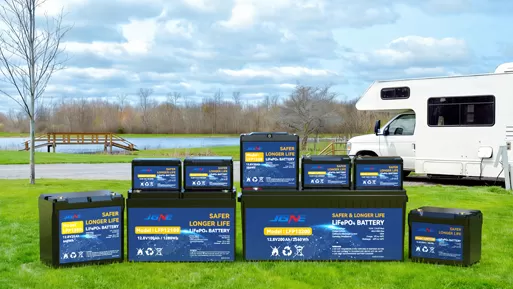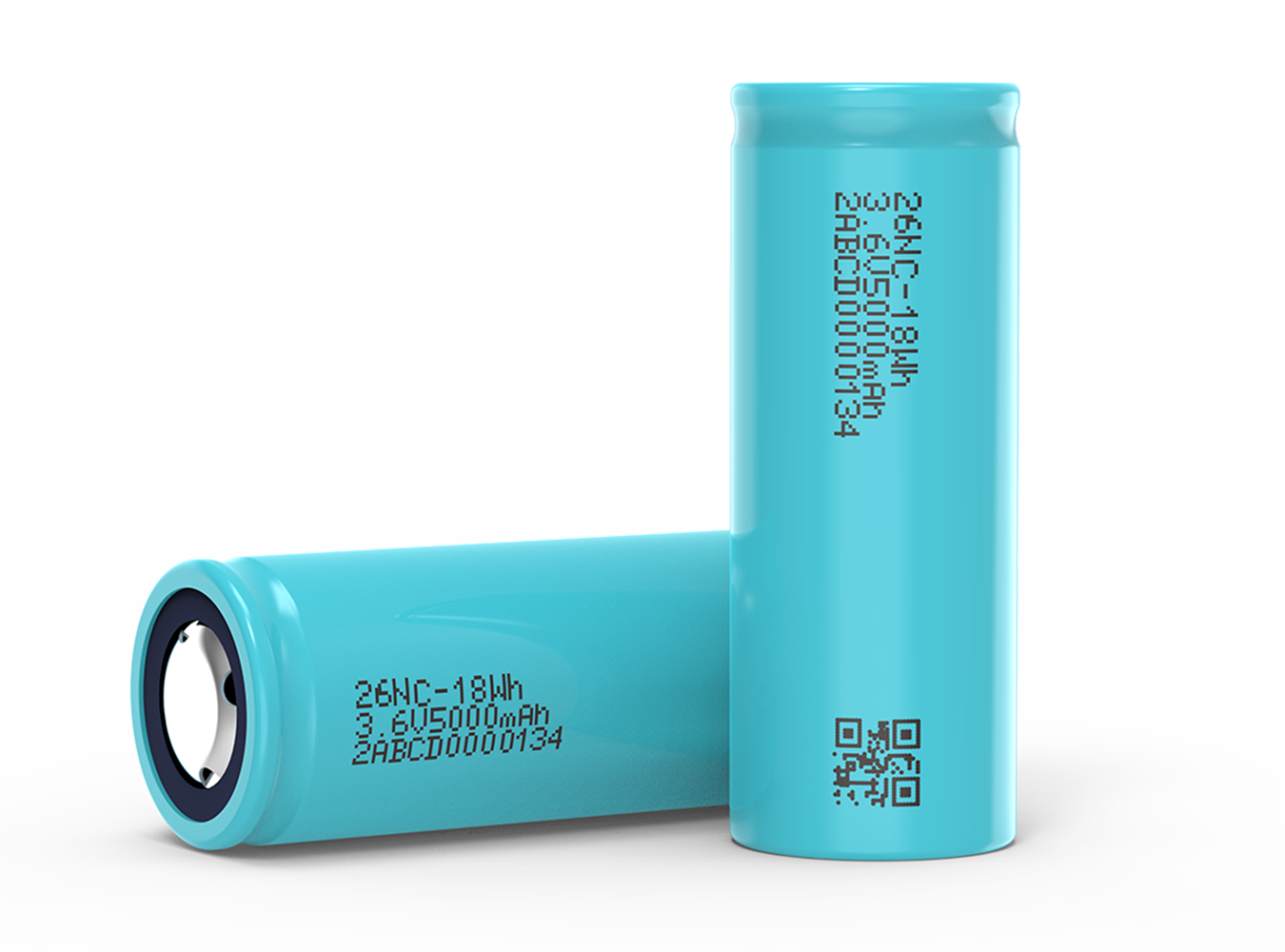

For professional battery buyers, product selection is rarely simple. A lithium battery pack must match the electrical system, operating environment, safety requirements, installation structure, and expected service life of the final application. This is why many buyers are moving from standard battery purchasing to customized lithium battery solution development.
JGNE, backed by Goldencell’s more than 10 years of steady growth, specializes in customized high-end lithium-ion battery products and solutions for global professional customers. Our goal is to help customers choose and develop battery systems that fit real use conditions, not just catalog specifications.
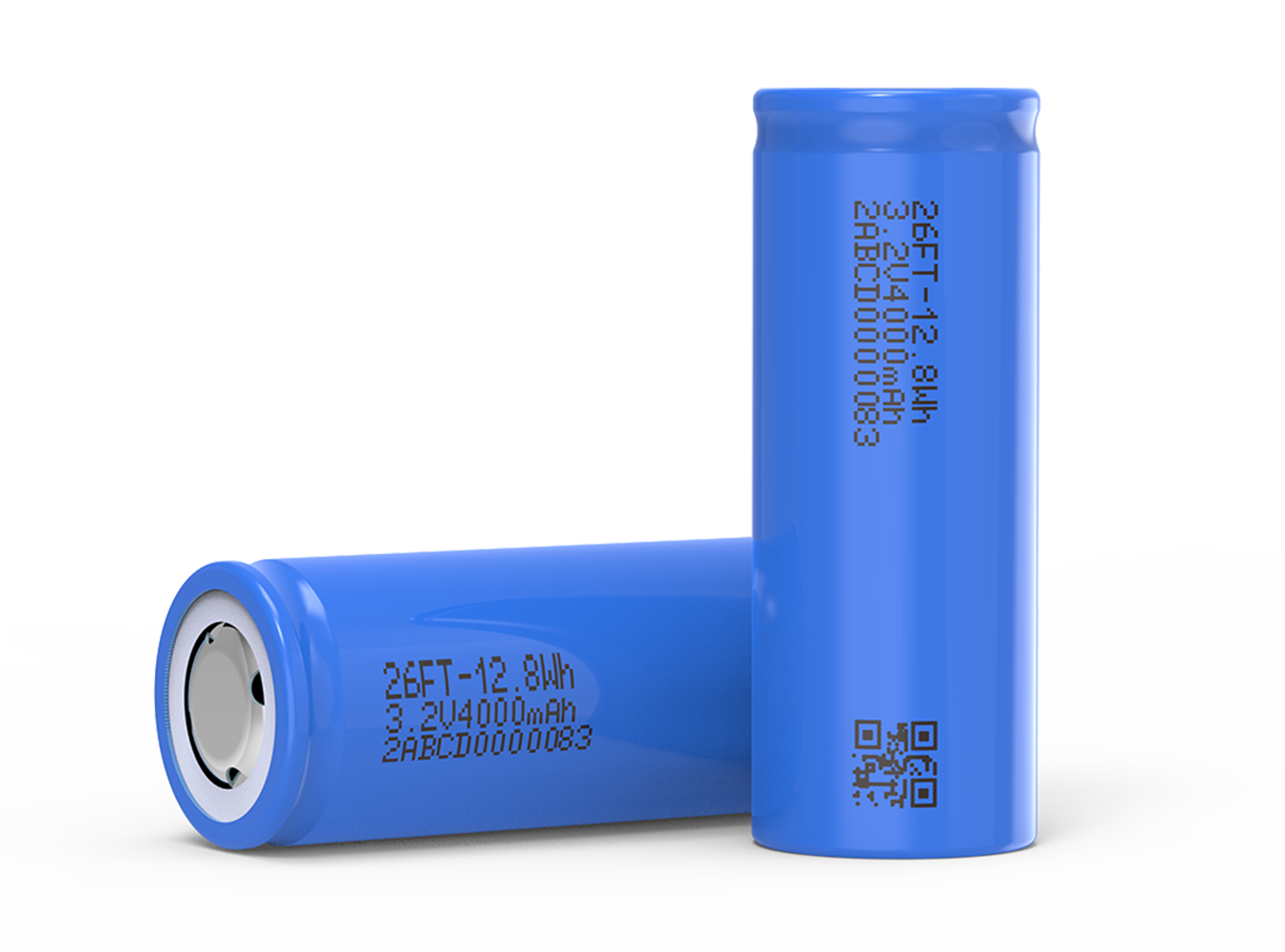
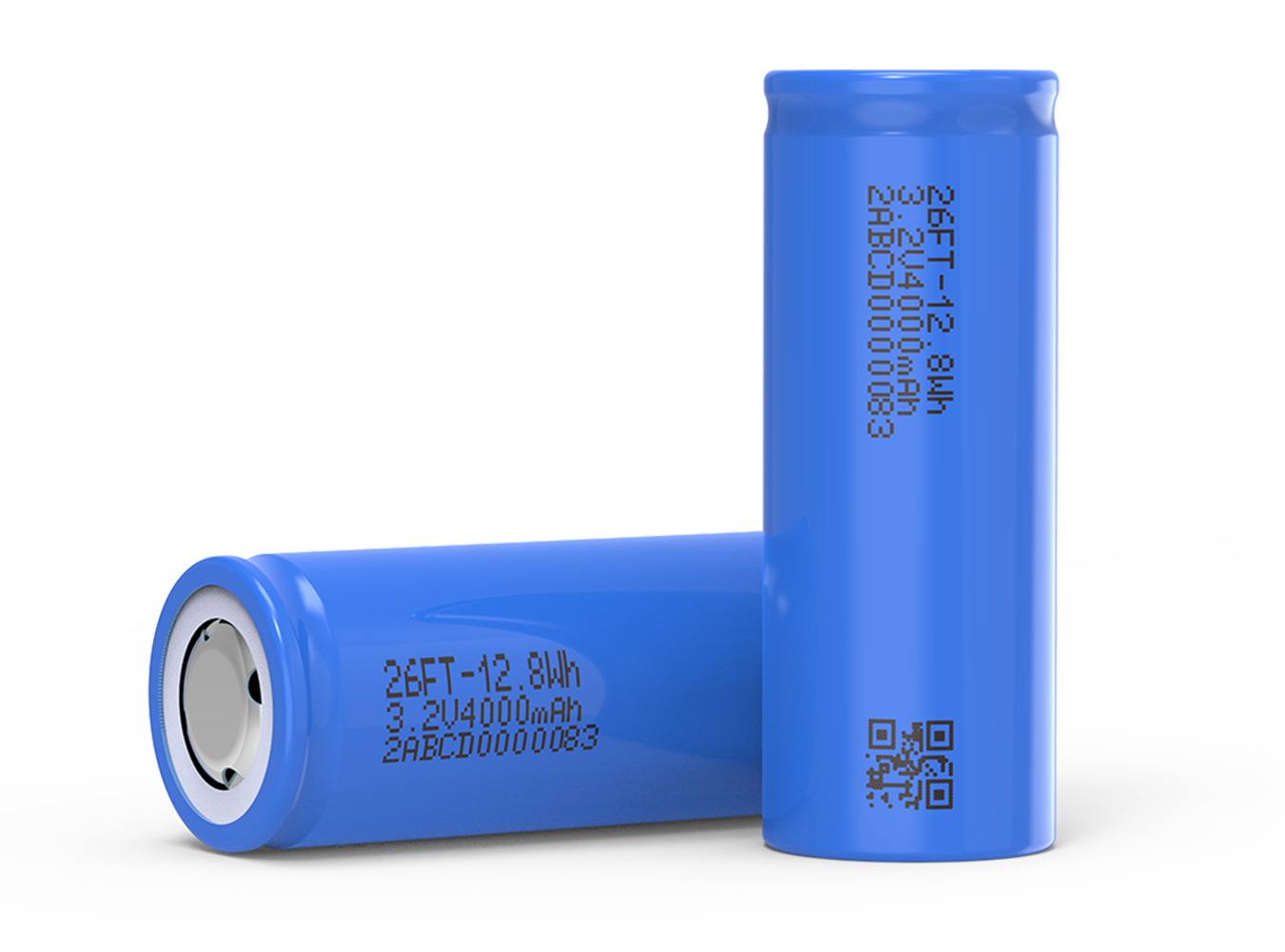
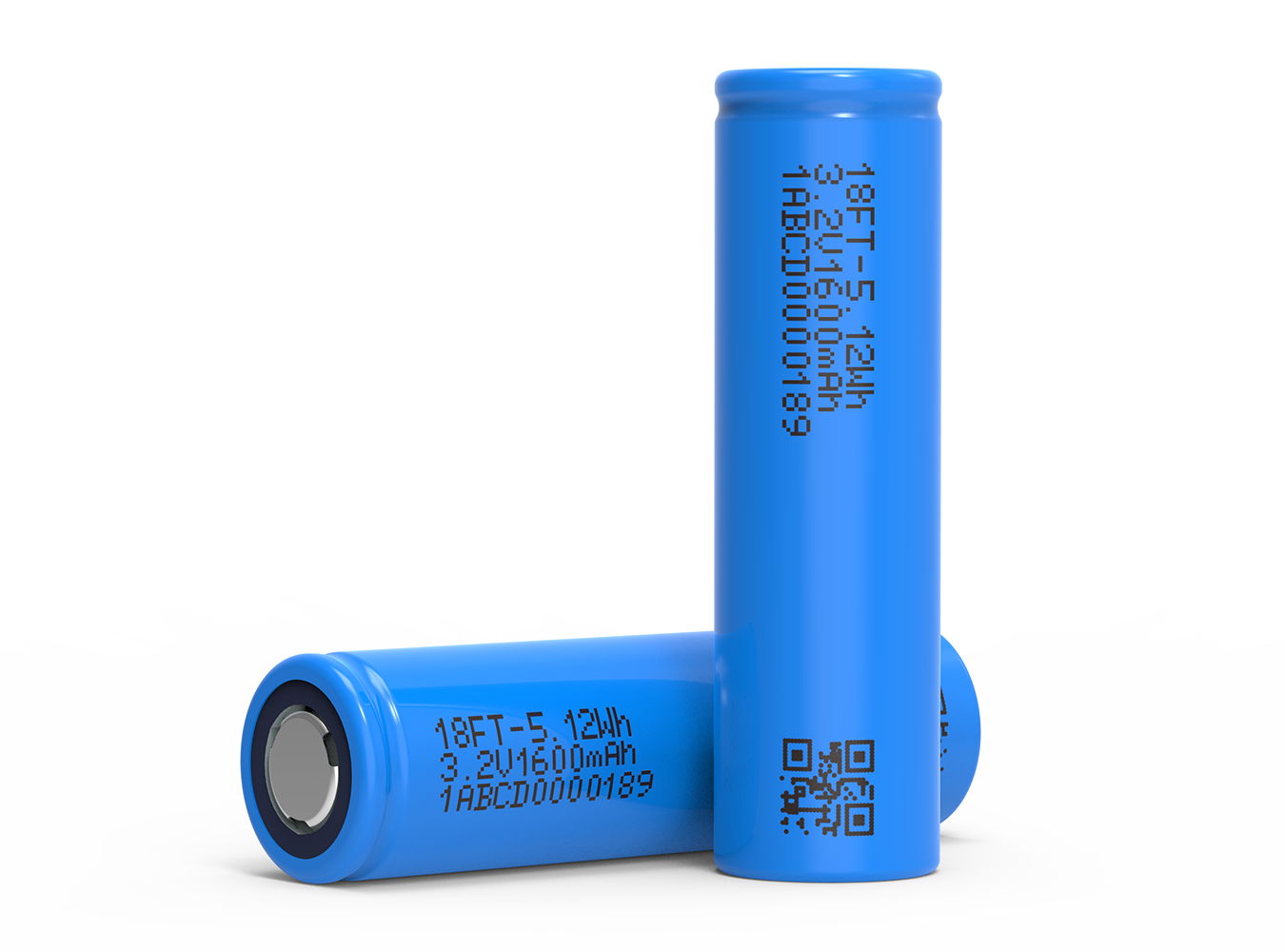
A custom lithium battery product starts with the right cell platform. Different applications require different priorities. Some projects focus on long cycle life and safety. Some require high discharge current. Some need compact size and high energy density. Others need stable performance for backup or energy storage use.
Competitor product structures show how broad the market has become. EVE Mall lists prismatic LFP cells, cylindrical LFP cells, NCM cells, battery modules, battery racks, and energy storage systems. Battle Born organizes its power products around LiFePO4 batteries, charging and power equipment, solar panels, monitoring and control, and complete systems.
For JGNE customers, the key is not simply choosing “a lithium battery.” The right choice depends on working voltage, load profile, space, cycle requirements, charging conditions, protection strategy, and final product design.
| Cell Chemistry | Cycle Life | Energy Density | Safety | Typical Applications |
|---|---|---|---|---|
| LFP (LiFePO4) | ★★★★★ | ★★★ | ★★★★★ | Energy storage, industrial equipment, backup power |
| NCM | ★★★ | ★★★★★ | ★★★ | Mobile devices, power tools, high energy density applications |
| LTO (Lithium Titanate) | ★★★★★ | ★★ | ★★★★★ | Extreme temperature environments, fast charging scenarios |
A battery management system, or BMS, is the control and protection center of a lithium battery pack. It helps monitor cell voltage, current, temperature, state of charge, and safety conditions.
For professional applications, BMS design should never be treated as an accessory. It directly affects battery safety, communication, charging control, discharge protection, balancing, and maintenance. If the BMS is not matched to the application, even high-quality cells may not perform well in the final equipment.
Grepow explains that BMS design helps manage and maintain cells, prevent overcharge and over-discharge, prolong battery life, and monitor SOC status. This reflects a core industry principle: a reliable battery pack requires both strong cells and intelligent system protection.
JGNE evaluates BMS requirements according to each customer’s project, including current level, communication needs, protection logic, operating environment, and integration method.
Battery structure design includes size, weight, case style, strength, shock resistance, heat dissipation, connector layout, and installation method. For many customized projects, structure design is just as important as electrical performance.
A battery used in mobile equipment may need vibration resistance. A battery used in industrial systems may need a stronger enclosure. A battery for energy storage may need modular design and easier maintenance. A compact device may require special dimensions or a customized layout.
Grepow’s custom battery page also lists structure customization as a major part of battery development, including compact size, weight, styled case, strength, shock resistance, and heat dissipation. This matches the practical challenges that JGNE customers often face: the battery must work electrically and fit mechanically.
Professional buyers should define the application before confirming the battery specification. A battery pack for backup power, energy storage, electric mobility, industrial equipment, or outdoor use will have different performance standards.
LiTime presents battery applications across RVs, golf carts, home energy storage, marine use, off-grid systems, and other mobile power scenarios, showing how battery products are increasingly selected by application rather than only by voltage and capacity. HIITIO also organizes lithium battery solutions around AGV battery packs, forklift LiFePO4 batteries, and golf cart LiFePO4 batteries.
For JGNE, application understanding is the starting point of customization. We help professional customers translate use conditions into battery specifications, including power demand, operating time, charging strategy, protection needs, and installation environment.
A customized lithium battery should pass through a clear development process. Buyers should confirm whether the supplier can support requirement analysis, sample development, testing, verification, production planning, and shipment.
Battery projects often fail not because of one obvious issue, but because small details are not confirmed early enough. These details may include connector direction, communication interface, working temperature, charging current, mounting method, or pack size tolerance.
JGNE supports customized high-end lithium-ion battery development with the goal of reducing project risk and improving final product reliability. With Goldencell’s group corporation support, JGNE can help customers move from technical concept to practical battery solution.
The best way to start is to prepare clear technical information. Buyers should provide target voltage, capacity, maximum current, continuous current, charging requirements, size limits, weight limits, operating temperature, certification needs, communication protocol, and application details.
If the project is still in early development, JGNE can help evaluate the battery direction. If the product already has a defined design, we can support more detailed customization and technical confirmation.
1. What information is needed for a custom lithium battery quote?
You should provide voltage, capacity, current, size limits, application, charging method, communication needs, and operating environment.
2. Why is BMS important in a lithium battery pack?
The BMS helps protect the battery, monitor operating status, manage charging and discharging, and improve safety.
3. Can JGNE customize battery pack structure?
Yes. JGNE focuses on customized battery solutions, including battery structure development according to application requirements.
4. What industries can use custom lithium battery packs?
Custom lithium battery packs can be used in energy storage, mobility, industrial equipment, backup power, outdoor power, and specialized devices.
5. Is a custom battery better than a standard battery?
A custom battery is better when the application has specific requirements for size, power, safety, communication, installation, or performance.
Whether your project is at the concept stage, solution design stage, or ready for mass production preparation, JGNE can provide professional support at every step.
EVE Mall lithium battery product categories.
Battle Born LiFePO4 battery and complete power solution categories.
Grepow BMS, structure, and customization process references.
HIITIO LiFePO4 application structure.