LED LIGHTING BATTERY SIZING
How Much Battery Capacity Does Your Lighting System Actually Need?
Battery capacity for an LED lighting system cannot be selected from Ah alone. The calculation starts with the lamp power in watts and the required operating time, then converts the resulting energy requirement into Wh and Ah according to the battery voltage.
System efficiency, usable battery energy, temperature, battery aging, charging conditions and reserve requirements must then be considered before the final battery pack is specified.
QUICK CALCULATION
Two formulas cover the basic lighting battery calculation
STEP 1 — CALCULATE ENERGY
Energy (Wh) = Power (W) × Runtime (h)
STEP 2 — CONVERT TO CAPACITY
Capacity (Ah) = Energy (Wh) ÷ Battery Voltage (V)
W, Wh, Ah and V: What Do They Mean for Lighting Batteries?
Lighting battery calculations become much easier once power, energy, capacity and voltage are separated. These four values describe different parts of the system.
POWER
W
Watts describe how much electrical power the lighting system uses at a given moment.
ENERGY
Wh
Watt-hours describe how much energy is required over a period of time.
CAPACITY
Ah
Amp-hours describe the battery's charge capacity at its specified voltage.
VOLTAGE
V
Voltage must be compatible with the lighting electronics and determines how Wh converts into Ah.
WORKED EXAMPLE
Example: How Much Battery Does a 20W LED Light Need for 8 Hours?
The lighting load requires approximately 160Wh of electrical energy in the ideal calculation.
If the battery system is 12.8V:
160Wh ÷ 12.8V = 12.5Ah
Therefore, 12.5Ah is the theoretical minimum based only on lamp power and runtime. It is not automatically the final battery pack size, because real lighting systems are not 100% efficient and the entire nominal battery energy may not be intended for use during every cycle.
Why the Theoretical Ah Is Not the Final Battery Size
A lighting system that mathematically requires 12.5Ah should not automatically be paired with exactly a 12.5Ah battery. Battery sizing must include the real operating conditions of the complete system.
System Efficiency
LED drivers, converters, wiring and control electronics consume energy and introduce conversion losses.
Usable Battery Energy
Pack design and cutoff settings determine how much of the nominal energy is intended to be used during operation.
Temperature
Outdoor temperature can affect charging behavior, available capacity and discharge performance.
Battery Aging
Available capacity changes over battery life, so projects may require additional design margin.
Reserve Requirement
Safety or critical lighting projects may require operating reserve beyond the minimum theoretical runtime.
Charging Availability
Solar systems must also consider how much energy can realistically be restored during the available charging period.
A More Practical Battery Sizing Formula
A more useful engineering approach is to adjust the theoretical lighting energy for system efficiency and any additional project design margin.
Battery Energy ≈ (Lighting Power × Runtime) ÷ System Efficiency × Design Margin
The efficiency value and design margin should come from the actual lighting system and project requirements. They should not be replaced by one universal percentage for every emergency light, solar street light or outdoor lighting product.
3 Lighting Battery Calculation Examples
The following examples show how lamp power, runtime and pack voltage interact. The Ah values are theoretical starting points before system losses and reserve requirements are added.
EXAMPLE 01
10W Emergency Light for 3 Hours
Energy requirement:
10W × 3h = 30Wh
If using a 6.4V nominal battery system:
30Wh ÷ 6.4V ≈ 4.69Ah
THEORETICAL STARTING POINT
≈ 4.69Ah
at 6.4V nominal
EXAMPLE 02
20W Outdoor LED Light for 8 Hours
Energy requirement:
20W × 8h = 160Wh
At 12.8V nominal:
160Wh ÷ 12.8V = 12.5Ah
THEORETICAL STARTING POINT
12.5Ah
at 12.8V nominal
EXAMPLE 03
40W Solar Street Light for 12 Hours
Energy requirement:
40W × 12h = 480Wh
At 25.6V nominal:
480Wh ÷ 25.6V = 18.75Ah
THEORETICAL STARTING POINT
18.75Ah
at 25.6V nominal
EMERGENCY LIGHTING
Emergency Lighting Battery Sizing Is Based on Backup Runtime
Emergency lighting normally spends much of its time in standby, but the battery must provide the required illumination when normal power is lost. Required backup duration, lamp power, battery voltage and the electrical architecture of the fixture are therefore key inputs.
The final pack should also be evaluated around standby charging, protection requirements, physical installation space and the required emergency operating margin.
View JGNE Emergency Lighting Battery Solutions → SOLAR LIGHTING
Solar Street Light Batteries Need More Than a Runtime Calculation
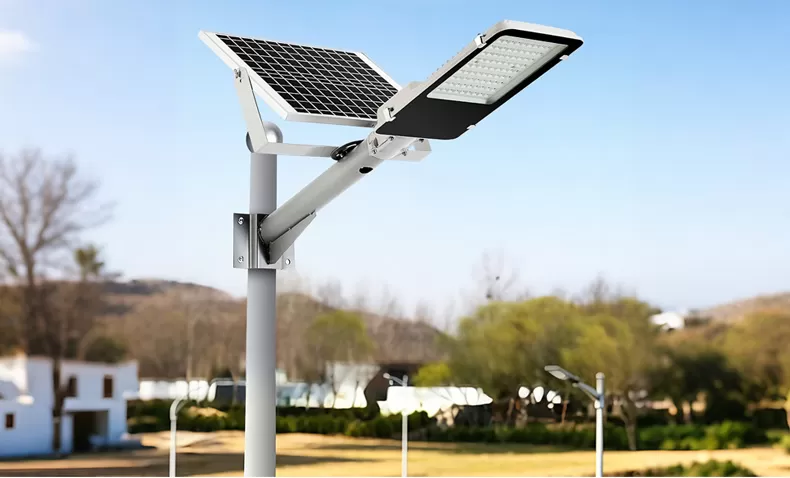
For solar lighting, nighttime energy consumption is only one side of the design. The system must also restore sufficient energy from the solar array during the available charging period.
Weather, solar generation, charging efficiency, required autonomy, nighttime operating profile and outdoor temperature can all change the final battery size. A battery that meets the Wh calculation but cannot be adequately recharged may still be unsuitable for the system.
View JGNE Solar Street Light Battery Solutions → How Battery Voltage Changes the Required Ah
Two battery packs can store the same amount of energy while having different Ah ratings because Ah depends on voltage.
| Required Energy | Battery Voltage | Theoretical Capacity |
|---|
| 160Wh | 6.4V | 25Ah |
| 160Wh | 12.8V | 12.5Ah |
| 160Wh | 25.6V | 6.25Ah |
These three examples represent approximately the same theoretical energy. Higher pack voltage reduces the Ah required for the same Wh value. In battery pack construction, series-connected cells increase voltage while parallel-connected cells increase capacity. More background is available in
Battery University's series and parallel battery configuration overview.
Why 6.4V, 12.8V and 25.6V Are Common LiFePO4 Pack Voltages
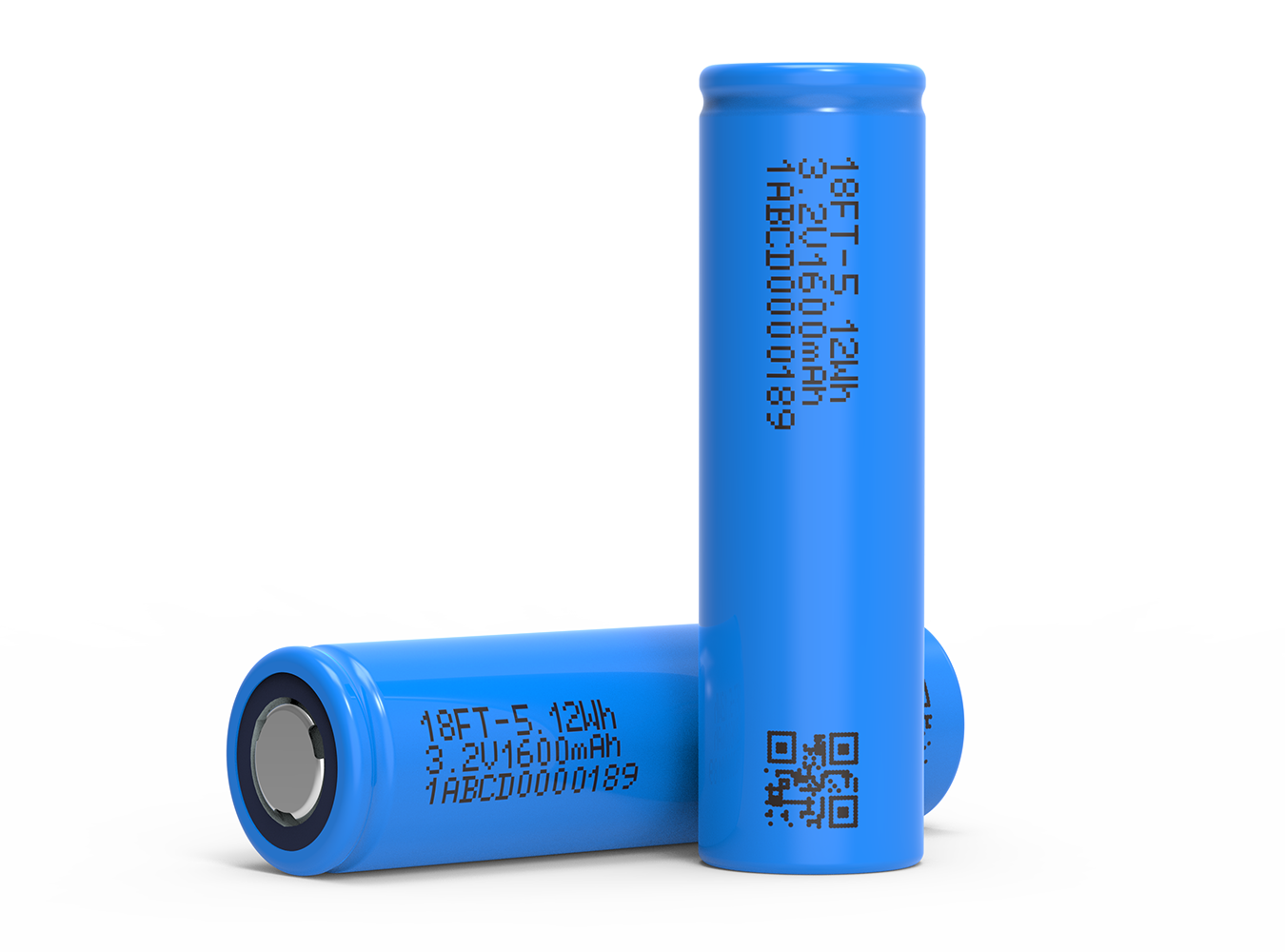
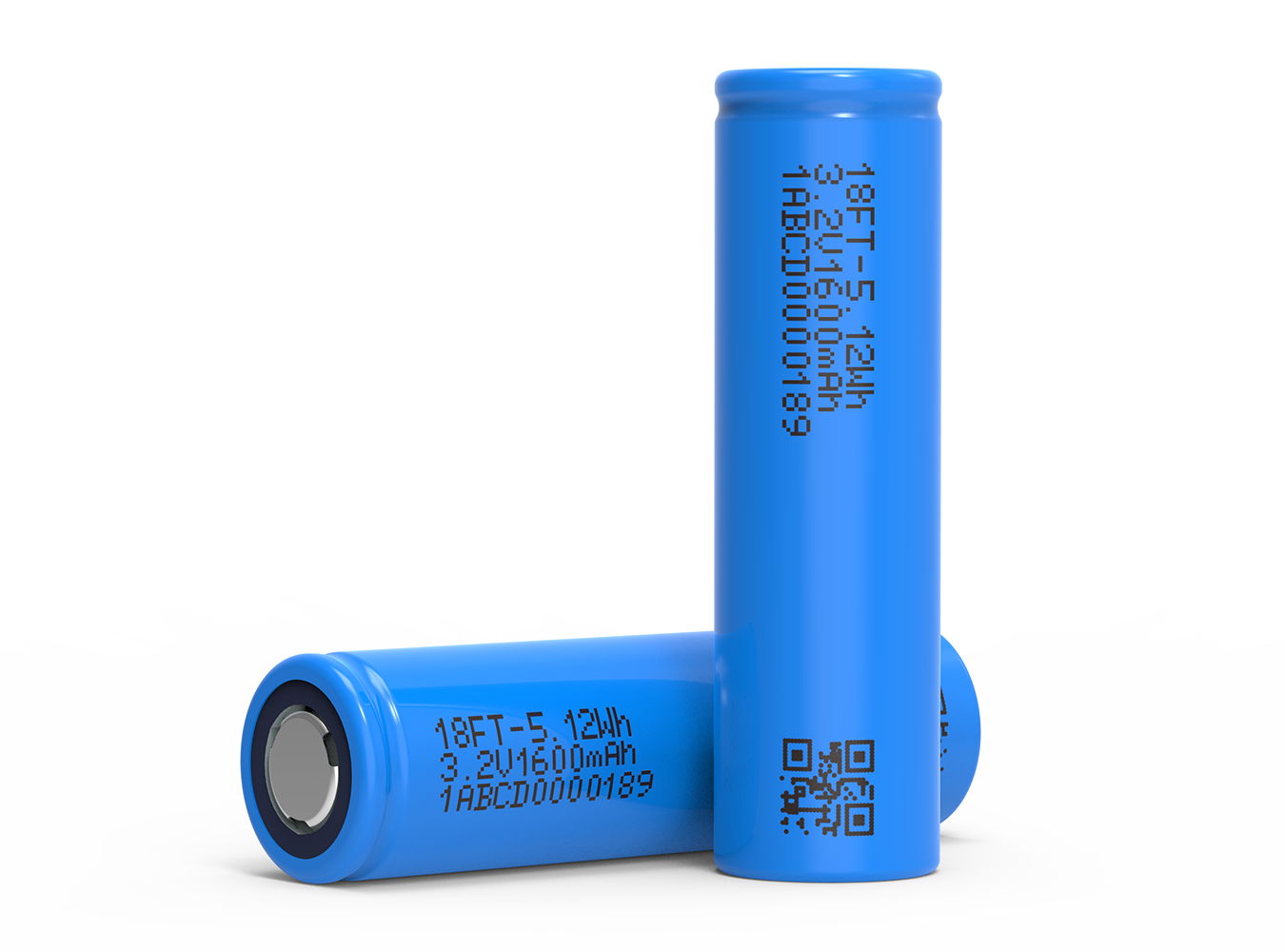
A LiFePO4 cell has a nominal voltage of about 3.2V. Connecting cells in series builds the required pack voltage.
2 CELLS IN SERIES
6.4V
3.2V × 2
4 CELLS IN SERIES
12.8V
3.2V × 4
8 CELLS IN SERIES
25.6V
3.2V × 8
Common Mistakes When Sizing a Battery for LED Lighting
1. Selecting by Ah without checking voltage
A 10Ah battery at one voltage does not store the same energy as a 10Ah battery at another voltage. Wh is the better comparison for total energy.
2. Ignoring LED driver and conversion losses
The battery supplies the complete electrical system, not only the theoretical LED wattage.
3. Using nominal capacity with no reserve
Critical lighting systems may require design margin for aging, temperature and specified backup time.
4. Ignoring temperature in outdoor lighting
Climate conditions can affect battery operation and should be included in cell-platform selection.
5. Sizing a solar battery without checking solar recharge
The battery must not only power the lamp overnight; the solar system must also be capable of replenishing the required energy.
BEFORE REQUESTING A LIGHTING BATTERY
Information Needed for Accurate Battery Sizing
01 Lighting power
02 Required runtime
03 System voltage
04 Charging method
05 Operating temperature
06 Available dimensions
07 Required backup margin
08 Connector / cable
LED Lighting Battery Capacity FAQ
How do I calculate battery capacity for an LED light?
Multiply LED power in watts by required runtime in hours to calculate Wh. Then divide Wh by the nominal battery voltage to calculate the theoretical Ah requirement.
How long will a battery run an LED light?
A basic estimate is battery energy in Wh divided by the lighting load in watts. Real runtime is affected by system efficiency, usable battery energy, temperature and cutoff settings.
Is Ah or Wh more important for lighting battery sizing?
Wh is useful for comparing total energy because it includes both voltage and Ah. Ah alone cannot describe the total energy unless the battery voltage is also known.
How many Ah are needed for a 20W LED light running 8 hours?
The theoretical energy requirement is 160Wh. At 12.8V, this equals 12.5Ah before efficiency, usable-energy and reserve factors are included.
Does a higher-voltage battery need fewer Ah for the same runtime?
Yes, for the same Wh requirement, a higher nominal pack voltage corresponds to a lower Ah value. The lighting electronics must still be designed for that voltage.
What makes solar street light battery sizing different?
Solar lighting must consider both nighttime energy consumption and the ability of the solar charging system to restore that energy under expected weather and charging conditions.
Looking for a Custom Battery Pack for a Lighting System?
JGNE develops custom battery packs for lighting projects according to voltage, capacity, runtime, charging method, operating environment, installation space and electrical interface requirements.
Explore JGNE Lighting Battery Solutions → Need Help Calculating a Lighting Battery Pack?
Send JGNE your lighting power, required runtime, system voltage, charging method, operating temperature, available installation space and project quantity. Our team can evaluate an appropriate battery pack configuration for your lighting system.
Request a Lighting Battery Solution